Tree Repair in Reno, NV
Tree repair services involve assessing and restoring the health and stability of damaged or weakened trees on residential properties. This can include addressing issues such as broken branches, trunk damage, root problems, or disease, with the goal of preserving the tree’s safety and appearance. Typical projects may involve pruning to remove hazardous limbs, cabling or bracing to support compromised structures, or treating infections that threaten the tree’s longevity. Homeowners interested in tree repair should understand the extent of the damage, the specific methods used to restore the tree, and how the process may impact the overall landscape.
Property owners often request tree repair services when trees show signs of distress, such as cracking, leaning, or dieback, especially after storms or harsh weather conditions. It’s important to evaluate the severity of the damage and determine whether repair is feasible or if removal might be necessary. Before requesting services, homeowners should consider the location of the tree, potential safety concerns, and the long-term health of the tree. Clear communication about the condition of the tree and desired outcomes can help ensure the repair work aligns with property maintenance goals.
Many property owners in Reno, NV look into Tree Repair for repairs, replacements, upgrades, and appearance-related improvements.
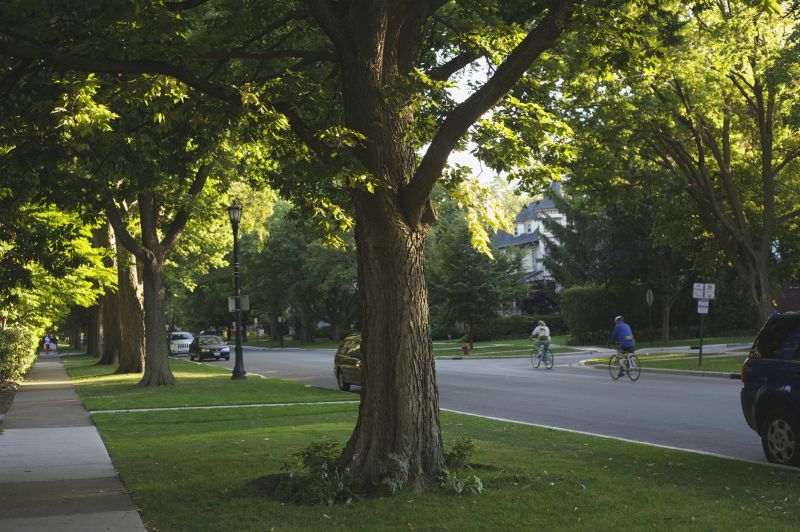
Tree Damage Repair
Addressing storm or weather-related damage to restore tree health and stability.
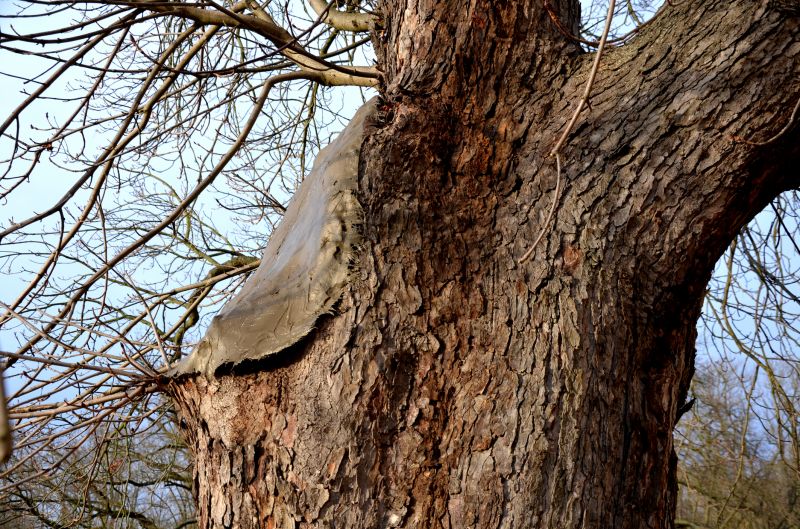
Pruning And Shaping
Selective trimming to improve growth, remove dead branches, and enhance appearance.
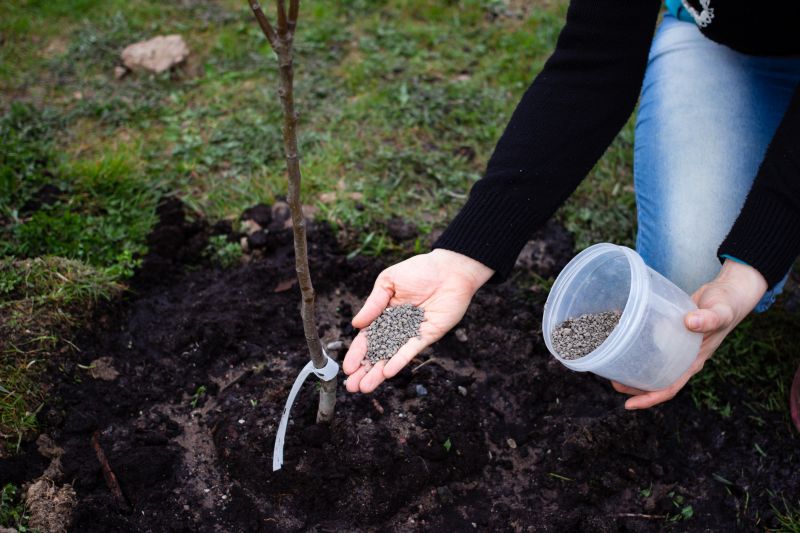
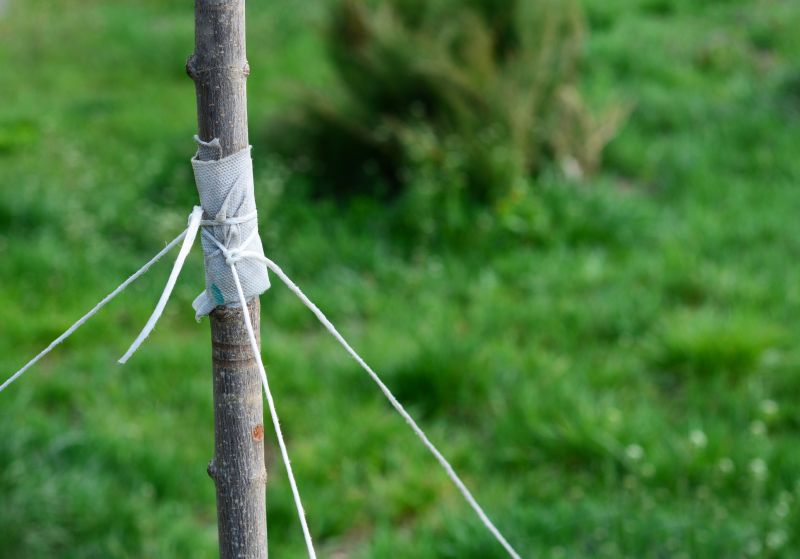
Structural Support And Cabling
Installing supports to prevent branch or trunk failure and ensure safety on residential or commercial properties in reno.
Tree Repair in Reno, NV
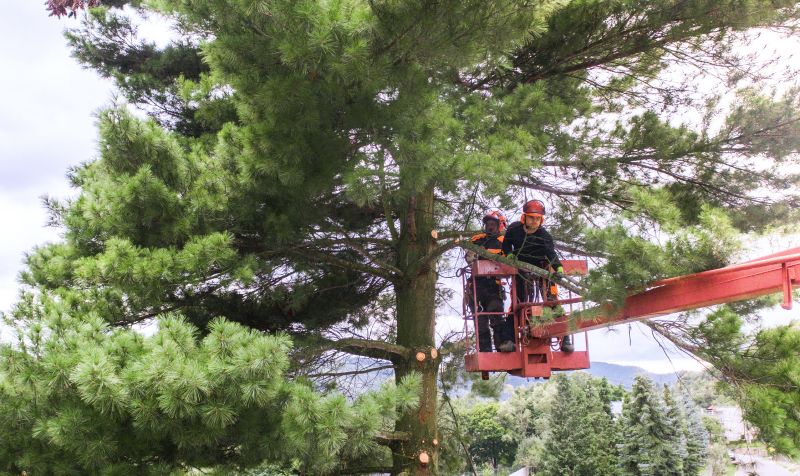
Tree repair services involve assessing and restoring the health and stability of damaged or weakened trees on residential properties. This can include addressing issues such as broken branches, trunk damage, root problems, or disease, with the goal of preserving the tree’s safety and appearance. Typical projects may involve pruning to remove hazardous limbs, cabling or bracing to support compromised structures, or treating infections that threaten the tree’s longevity. Homeowners interested in tree repair should understand the extent of the damage, the specific methods used to restore the tree, and how the process may impact the overall landscape.
Property owners often request tree repair services when trees show signs of distress, such as cracking, leaning, or dieback, especially after storms or harsh weather conditions. It’s important to evaluate the severity of the damage and determine whether repair is feasible or if removal might be necessary. Before requesting services, homeowners should consider the location of the tree, potential safety concerns, and the long-term health of the tree. Clear communication about the condition of the tree and desired outcomes can help ensure the repair work aligns with property maintenance goals.
Many property owners in Reno, NV look into Tree Repair for repairs, replacements, upgrades, and appearance-related improvements.
Common Tree Repair Jobs
Tree pruning and trimming - shaping trees to promote healthy growth and remove dead or hazardous branches.
Tree cabling and bracing - installing supports to stabilize weak or structurally compromised trees.
Emergency tree removal - safely removing trees damaged by storms or posing safety risks.
Deadwood removal - removing dead or decaying branches to prevent decay and improve tree health.
Tree crown reduction - reducing the height and spread of trees to prevent interference with structures or power lines.
Stump grinding and removal - eliminating tree stumps to enhance landscape safety and appearance.
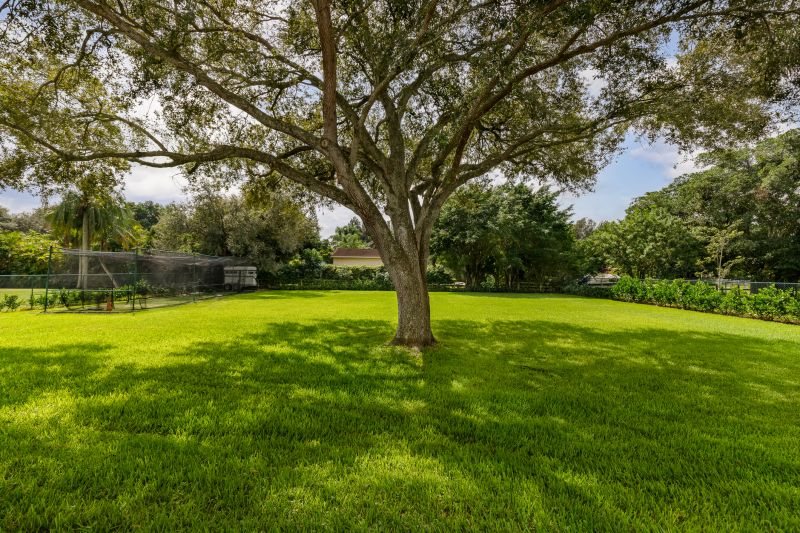
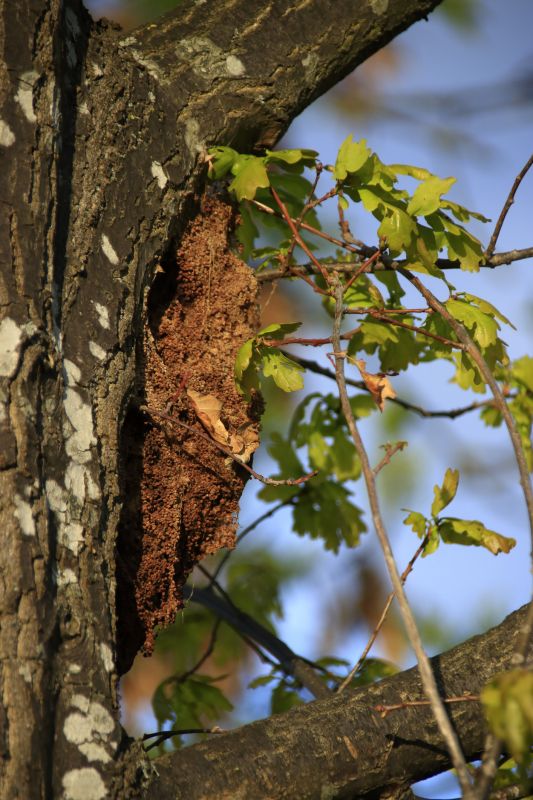

Tree Repair Questions
What types of tree damage can be repaired? Damage such as broken branches, split trunks, and root issues can often be addressed to restore tree health and stability.
When is tree repair necessary? Repair may be needed after storms, pest infestations, or if a tree shows signs of structural weakness or decay.
What are common tree repair methods? Techniques include pruning, cabling, bracing, and wound dressing to support and strengthen the tree.
How can I tell if a tree needs repair? Signs include dead or hanging branches, cracks in the trunk, or leaning trees that may indicate the need for assessment and repair.
Request Tree Repair in Reno, NV
Use the quote form on this page to share the basics of your project and request more information for the type of work you need.